.png)


The challenge we can no longer ignore
The events industry is powered by people. Yet the very people who create extraordinary experiences are increasingly running on empty.
Burnout, stress and exhaustion are becoming common experiences across our industry. Long hours, relentless deadlines, constant change, and the pressure to deliver flawless experiences can leave little room for recovery. While we often focus on designing exceptional attendee journeys, we rarely stop to ask:
Who is designing the experience for the people delivering it?
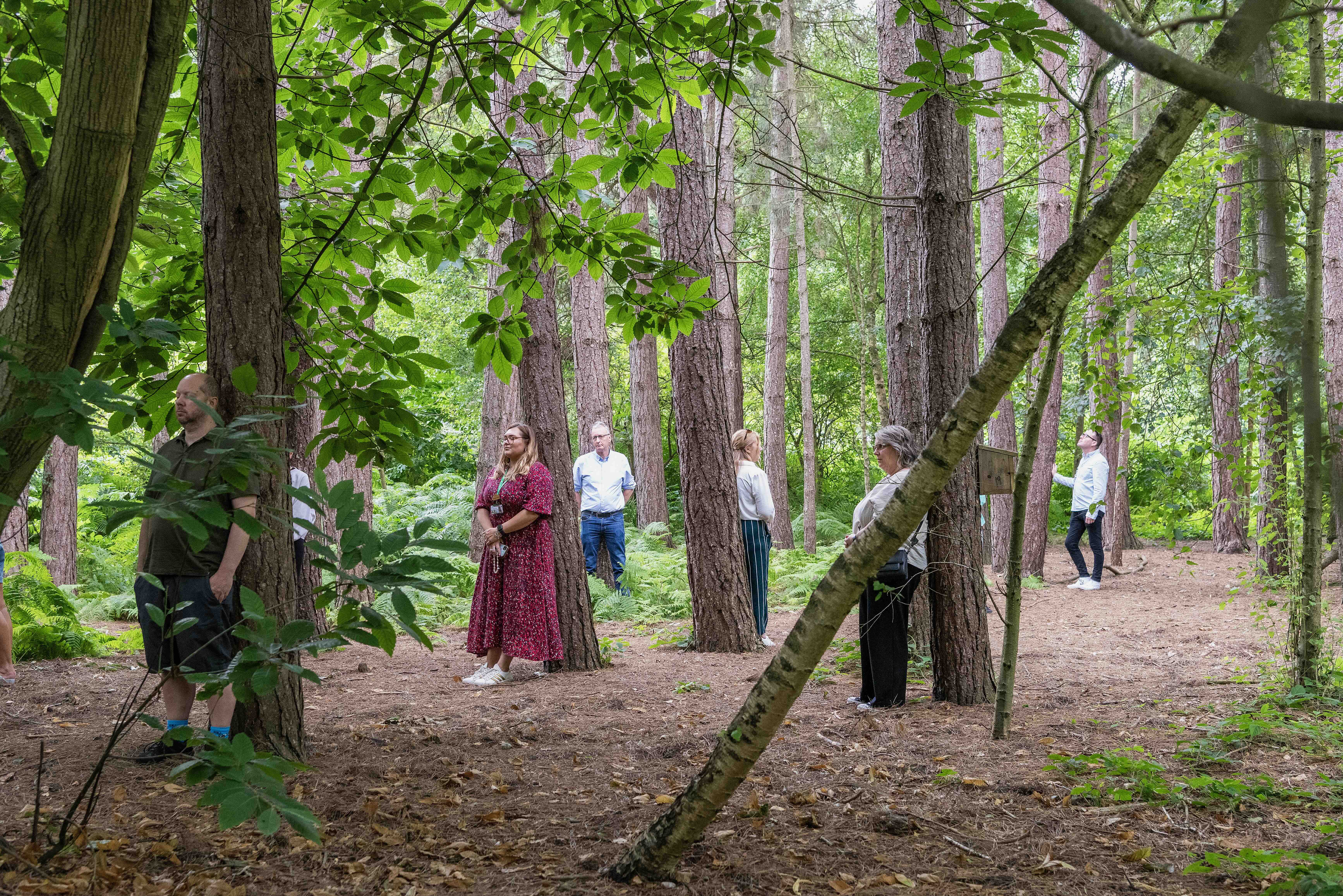
A few weeks ago, I had the opportunity to lead a workshop at the Reimagined Sustainable Events Lounge with Event Industry Newseventdecision ® and BMA House on "Designing for energy, creating human sustainable events and workspaces."
The session explored a simple but important shift in thinking... Design for how people feel, not just what needs to get done.
Because human sustainability isn't about adding more initiatives, more programmes or more things to people's to-do lists. It's about designing environments, cultures and experiences that enable people to thrive while delivering exceptional work.
What We Explored
During the workshop, participants worked through a practical exercise.
I asked groups to think about a scenario where energy levels consistently dipped and performance suffered. Interestingly, almost everyone focused on workplace wellbeing rather than the event environment itself.
Despite coming from different organisations and backgrounds, the themes were remarkably similar.
Where Energy Was Being Lost
Participants identified several common experiences:
- Feeling uncertain about priorities and expectations
- Constantly changing demands and "firefighting"
- Overloaded schedules and unrealistic workloads
- Lack of recovery time after major events
- Pressure to always be available
- Difficulty disconnecting from work
- Feeling unable to speak up when struggling
The impact was significant:
- Reduced creativity and problem-solving
- Increased stress and anxiety
- Lower engagement and motivation
- Poorer decision-making
- Greater risk of burnout
- Higher staff turnover
None of these challenges were caused by individuals lacking resilience.
They were symptoms of systems and environments that had not been designed with human energy in mind.
The redesign. What event professionals said needs to change
When asked how they would redesign these scenarios, participants consistently returned to a handful of themes:
Better communication
Clearer expectations, greater transparency and more meaningful conversations.
Stronger company culture
Creating cultures where wellbeing is genuinely valued rather than simply talked about.
Respect for boundaries
Normalising rest, recovery and time away from work.
Permission to be human
Creating psychologically safe environments where people can ask for help, speak honestly and show up as themselves.
Recovery after events
Recognising that delivering an event is often a sprint, and recovery should be designed into the process rather than treated as a luxury.
What stood out was that none of these solutions required major investment.
They required intentional design.
What the data is telling us
The workshop discussions mirror wider industry trends.
Across the events sector, increasing workloads, talent shortages, economic pressures and the expectation to do more with less are creating significant strain on professionals.
Research consistently shows that chronic workplace stress contributes to:
- Increased absenteeism
- Higher employee turnover
- Reduced productivity
- Lower engagement
- Greater risk of burnout
For organisations, the cost is substantial.
For individuals, the impact can be life-changing.
This is why human sustainability is no longer a "nice to have."
It is a business imperative.
Energy is not a personal problem. It's a design problem.
One of the most powerful insights from the session was this:
"We often treat low energy as an individual issue to solve when, in reality, it is often a system issue to redesign."
When people are struggling, our instinct is to ask:
"How can they become more resilient?"
Perhaps the better question is:
"What have we designed that is making resilience so difficult?"
Human sustainability is about creating systems that support people before they reach breaking point.
Three Takeaways for Event Leaders
1. Small Shifts Create Big Change
Human sustainability doesn't require a complete organisational overhaul.
Often the biggest impact comes from small changes:
- Building recovery time into project plans
- Creating meeting-free focus periods
- Setting clearer expectations
- Celebrating progress, not just outputs
2. Design for Feelings, Not Just Outcomes
When planning an event, workplace or team experience, ask:
How do we want people to feel?
Energised? Valued? Safe? Connected? Supported?
The answer should shape the design.
3. Create Spaces Where People Can Be Themselves
Whether it's an office, an event, a networking session or a team meeting, people perform best when they feel psychologically safe.
That means creating environments where people feel:
- Welcome
- Included
- Respected
- Comfortable contributing
- Able to bring their authentic selves to work
Because belonging fuels energy.
Moving Forward
The future of sustainable events isn't just about reducing environmental impact.
It's also about protecting and sustaining the people who make our industry possible.
If we want healthier teams, better creativity, stronger retention and more successful events, we need to start designing with human energy in mind.
Because the goal isn't simply to get more done.
It's to create environments where people can do their best work without sacrificing their wellbeing.
Human sustainability starts when we stop asking people to fit the system, and start designing systems that work for our people.
Lucy Eden
Founder Be in your Element
.webp)

.svg)